


Quick Answer
When Should a Missouri Property Be Evaluated for Storm-Damage Repair?
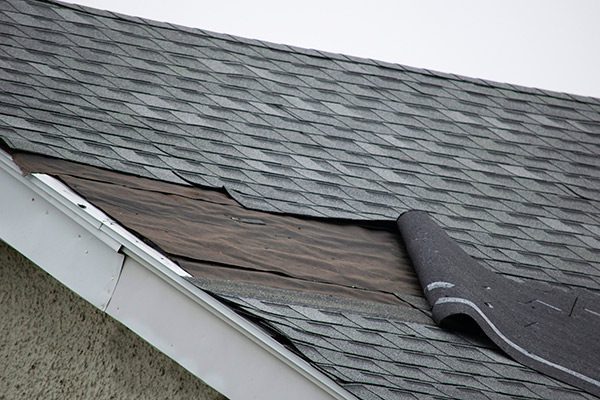
Request a review after new leaks, visible movement, hail or wind damage, repeated drainage problems, or widespread wear. Built Wright Homes checks event timing, hail or wind patterns, emergency needs, visible damage, leaks, debris impact, and related exterior systems and prepares a written scope tied to the property rather than the storm report alone.
Free Property Estimate
Can We Help You Today?
Fill out the quick form below and a Built Wright expert will reach out to you soon!
No obligation
Local response
Your information stays private
Storm Damage RepairStatewide Service Details
Storm-Damage Repair Planned for Missouri Properties
Missouri conditions can change quickly from humid heat to severe thunderstorms and wind-driven rain. The inspection looks at storm-affected roofing, siding, gutters, flashing, soffit, fascia, windows, and accessible interior moisture clues and connects roof, wall, trim, ventilation, and drainage details when they may contribute to the same problem.
The team considers storm inspection, water management, shingle or panel attachment, attic ventilation, siding transitions, and gutter capacity for homes, rental properties, farms, shops, lake properties, and commercial buildings. Depending on what is documented, the plan may involve temporary protection, focused repair, partial restoration, full replacement, and coordinated multi-trade work. The state service network includes pages for communities such as Republic.
- Hail, wind, rain, heat, and humidity considered together
- Related roof, siding, flashing, ventilation, and gutter details reviewed
- Storm documentation and project scope kept clear and separate
Storm-Damage Repair Details That Matter in Missouri
The recommendations are based on the building, the condition found, and the missouri exposure—not a one-size-fits-all template.
Storm Pattern and Water Entry Review
The team compares exposed sides of the building, follows water paths, and evaluates event timing, hail or wind patterns, emergency needs, visible damage, leaks, debris impact, and related exterior systems rather than relying only on a neighborhood storm report.
Heat, Humidity, and Ventilation
Material condition, attic or wall ventilation, flashing, sealants, and drainage are considered because trapped heat and moisture can shorten the life of an otherwise sound exterior system.
Scope for Homes, Farms, Lakes, and Businesses
Access, building use, tenants, landscaping, lake exposure, farm operations, and commercial schedules help determine which of the available options is practical.
Documentation and Runoff Closeout
Completion includes documentation, stabilization, scope development, material matching, scheduling, property protection, cleanup, and final review, photographs or records when appropriate, and a final review of storm-damaged areas, flashing, ventilation, siding and gutter connections, cleanup, documentation, and runoff control.
A Missouri Process That Connects Storm Damage and Water Management
The sequence documents what happened, identifies active water paths, and matches the repair or replacement scope to the building.
Record leaks, hail or wind observations, drainage issues, age, and prior repairs.
Check storm-affected roofing, siding, gutters, flashing, soffit, fascia, windows, and accessible interior moisture clues on windward and sheltered areas to understand damage patterns.
Review flashing, penetrations, wall transitions, attic or wall airflow, and runoff.
Compare temporary protection, focused repair, partial restoration, full replacement, and coordinated multi-trade work with damage extent, compatibility, budget, and expected service life.
Coordinate materials, access, heat, humidity, forecasts, and occupied-property needs.
Verify documentation, stabilization, scope development, material matching, scheduling, property protection, cleanup, and final review, cleanup, documentation, and the final water path away from the building.
What Property Owners Are Saying
Clear recommendations, dependable communication, and organized project support.
★★★★★5-Star Customer Review“Built Wright replaced our roof after a hail storm—super fast and smooth from start to finish.”
★★★★★5-Star Customer Review“Incredible team and great communication. They even helped with our insurance claim.”
★★★★★5-Star Customer Review“The install was spotless, on time, and more affordable than other bids I received.”
Storm-Damage Repair Across Missouri
Choose a city page for local service details and the phone number assigned to that community. Availability depends on the property, scope, travel, weather, and current schedule.
The People Behind Built Wright
Meet the Built Wright Team
Experienced leadership, clear communication, and people who stay accountable from the first inspection through the final walkthrough.

Built Wright Team
Garris
Managing Partner

Built Wright Team
Brandon
Project Manager

Built Wright Team
Joe
Commercial Roofing Manager

Built Wright Team
Kolin Cash
Managing Partner

Built Wright Team
Nick
Residential Roofing Manager

Built Wright Team
Nathan
Office Manager
Storm-Damage Repair Questions for Missouri Property Owners
Direct answers about property conditions, materials, inspection, estimates, scheduling, and service availability in Missouri.
When should I request Storm-Damage Repair after a Missouri storm?
Request a storm-damage repair review when you see new leaks, missing or moved materials, hail marks, damaged flashing, loose siding, overflowing gutters, debris impact, or unexplained interior moisture. The inspection checks event timing, hail or wind patterns, emergency needs, visible damage, leaks, debris impact, and related exterior systems and verifies the property rather than relying only on a storm map.
How are heat, humidity, and wind-driven rain handled during Missouri Storm-Damage Repair?
A Missouri storm-damage repair plan connects material condition with flashing, ventilation, attachment, wall transitions, sealants, gutter capacity, and final drainage. Built Wright Homes reviews storm-affected roofing, siding, gutters, flashing, soffit, fascia, windows, and accessible interior moisture clues before defining the work.
Is Storm-Damage Repair available near Missouri lake and rural properties?
Built Wright provides storm-damage repair for qualifying properties in supported communities, including residential, farm, lake-area, rental, and commercial buildings. Local pages include communities such as Republic. Call 417-374-0227 to confirm the address.
What affects a Missouri storm-damage repair proposal?
The proposal can be affected by damage extent, emergency work, access, materials, multiple exterior systems, hidden conditions, and weather, storm-demand volume, heat, humidity, access, related exterior damage, hidden conditions, and material lead times.
Still have a question about your project?
Talk with Built Wright about roofing, siding, gutters, storm damage, scheduling, or estimates.
Ready When You Are
Request a Storm-Damage Repair Estimate in Missouri
Call 417-374-0227 or complete the estimate form. Share the property location, building type, visible concern, recent weather, and any photos or prior repair information that may help the team prepare.